
Start here
Six things I thought you would want first, because you came to the computer science education page. See everything
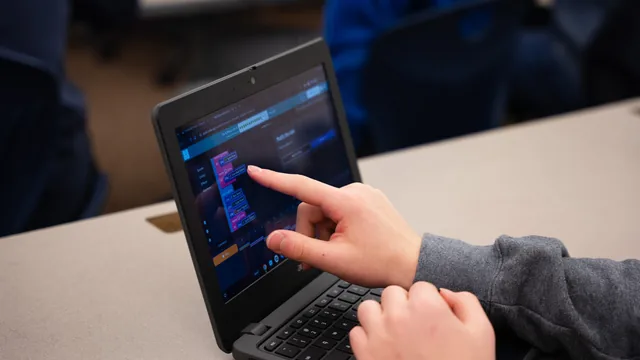 The first Hour of Code20M students in two weeks
- Computational Thinking lessons130+ lessons, 6 countries
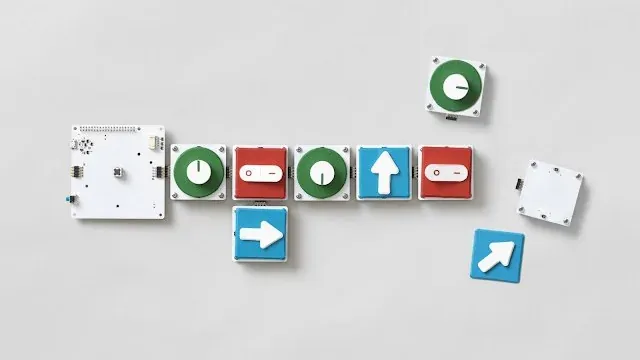 Project BloksStanford active research
- Computational Thinking for Educators10,000 registrations, 40% completion (global average 7%)
 High Tech HighCalifornia Teacher of the Year, Air Force Association
- BrokenAirplane.com1.2M views to date
AI
2024–2026 · LLMs to AI
calling a model and reading the answer to agents doing the work, guided by human standards and design
Prompting gave way to systems that plan and act on their own. The question stopped being what a model can do and became which work you can delegate, and where a human should be involved.
My part. Built the fluency and agentic engineering program that took tens of thousands of people from using AI to building products and features with it. Synthesized from research what good prompts look like and how to define evals. While training my team, I built documentation that maintains itself.
What it took
Rapidly building and refining resources to support experts and champions for technical and non-technical communities.
What we were up against
A spectrum of users: from people already AI fluent from nights and weekends who needed guardrails to those who had never touched the tools. Overnight, everyone was vibe coding, generating documents, slides, prototypes, and long unedited and sometimes unreviewed writing. The hype made it all look effortless, but what would become of our commitments to reliability, security, and speed?
-
2026
End-to-End AI Enablement Work sample Lab (interactive)
From a measured gap to a funded, self-running rollout
Scenario-based work sample
Takes one invented company from a hunch that its people are struggling to a decision its leadership can make this quarter. The gap between staff who can follow the steps of its engineering systems and staff who can predict what those steps do is measured and priced, the program that closes it is scoped, bought and budgeted, and the rollout reaches every site through local experts, with kill criteria that stop it if it cannot run without the person who designed it.
- Workforce Capability and Capability Gap AssessmentAIALL
- Strategic PlanningAIALL
- Executive Communication and ReportingMLAI
- Vendor and Contractor ManagementAIALL
- Governance Models and Scalable FrameworksMLAI
- Program Evaluation and Efficacy MeasurementMobileMLAIALL
-
2026
Agentic design, development and documentation
Capturing organizational knowledge and maintaining a large corpus at scale
Manager, team of six technical writers
An agentically maintained documentation system, plus a skills repository for building production-level code, based on years of technical instruction and training for Google-quality code.
- AI-Assisted Content and Documentation WorkflowsAI
- Developer DocumentationAI
- Docs-as-Code and GitHub WorkflowsAI
- Agentic EngineeringAIALL
- Documentation AuditsMobileAI
- People Management and MentorshipAIALL
-
2026
Retrieval-augmented archive Work sample
100% retrieval recall on 13 measured questions
Personal project, built end to end
A retrieval-augmented generation (RAG) system over sixteen public-domain issues of a century-old magazine, built to show the pipeline rather than describe it: real retrieval, answers grounded in the source with a citation, and an honest refusal when the source does not say. Rate limiting, cached example answers, and a health-gated deploy keep a small, self-funded demo cheap and reliably up.
- Large Language Models (LLMs)LLMAIALL
- Generative Artificial Intelligence (AI)LLMAI
- Output ValidationLLMAI
- Responsible AIMLLLMAIALL
- PythonCSMobileMLAIALL
- AI-Native Software Engineering CurriculumLLMAI
-
2026
Video, audio, text analysis pipeline
Fine tuning video analysis models to translate expert conversations and demonstrations into training materials.
- Generative Artificial Intelligence (AI)LLMAI
- Content Production PipelinesCSAI
- Stakeholder and SME ManagementMobileMLAI
- Curriculum DevelopmentCSMobileMLAI
-
2025
AI Fluency and Agentic Engineering
Company-wide AI enablement
Created and facilitated for tens of thousands
Hands-on prototyping sessions, hackathons, and prompting guides that moved engineering and non-engineering teams onto Gemini.
- AI Literacy and FluencyMLLLMAI
- AI Adoption and EnablementLLMAI
- Agentic EngineeringAIALL
- Prompt EngineeringLLMAI
- Generative Artificial Intelligence (AI)LLMAI
- Large Language Models (LLMs)LLMAIALL
LLM
2019–2024 · Bespoke ML to LLMs
a purpose-built model for every problem to one general model, prompted, and a new question of whether to trust it
The economics inverted. Instead of gathering a dataset and training a model per task, teams reached for a general model and tuned it with language, which shifted the problem from training to evaluation and trust.
My part. Wrote the guide that turned prompting from folklore into documented practice, and built the course that gave people hands-on time with the models.
What it took
Nobody agreed what made a prompt good. The models were weak, so some were stuffing everything into the context while others swore they'd never use them. The guide had to be synthesized from experiments rather than opinion, and running a company-wide LLM bootcamp gave daily signals on how the models behaved and for employees, their levels of trust, and productivity. In order to develop a product development training, we interviewed dozens of product managers inside the core products and within DeepMind. That research became Building with Gemini and a company-wide community of practice.
What we were up against
ML was everywhere in the company and all those bespoke models were expensive and hard to improve. Then the Transformer paper changed everything. Suddenly we were experiencing a seismic shift we hadn't experienced since shifting to mobile platforms.
-
2019–2026
The internal prompt engineering guide
100,000+ views
Author
Google's definitive internal guide to prompt engineering, built with DeepMind and input from SMEs, papers and experimentation.
- Prompt EngineeringLLMAI
- Technical WritingCSMLLLM
- Documentation Standards and Style GuidesLLM
- Responsible AIMLLLMAIALL
- Output ValidationLLMAI
- Single Source of Truth DesignMobileLLM
-
2025
 Building with Gemini
140% increase in internal Gemini API usage
Building with Gemini
140% increase in internal Gemini API usage
Google engineering education
Engineering education for the Gemini era, built in collaboration with Google Labs and DeepMind.
- AI Literacy and FluencyMLLLMAI
- AI Adoption and EnablementLLMAI
- Generative Artificial Intelligence (AI)LLMAI
- Large Language Models (LLMs)LLMAIALL
- AI-Native Software Engineering CurriculumLLMAI
- Developer EducationMobileMLLLMALL
ML
2016–2019 · Statistics and heuristics to ML
hand-tuned heuristics and classical statistics to machine learning is a core facet of engineering
Machine learning stopped being a research specialty and became something an ordinary product engineer was expected to reach for. Since it affected all areas from data collection to deploying, everyone needed to learn it ASAP.
My part. Tech Lead for the course that taught ML to millions from interactivity to internationalization. Adapted the content for non-engineers to enable them to participate in the discussion and launched the initial AI Principles research site. Designed an experience for large enterprises.
What it took
PhD-level equations and concepts needed to be translated into hands-on low/no-code experiences so engineers, product teams, and lawmakers alike can play with linear regression, embeddings, and data engineering. Our global audience required an internationalization pipeline, but most of the technical words in ML had no counterpart. We developed high-touch experiences for startups and large enterprise customers.
What we were up against
The people who knew how to build models were PhD one-of-a-kind researchers. Our content had to support engineers who had learned theory during the AI winter to people who stopped at algebra. Universities and MOOCs already had the theory covered, so we wanted ours to be full of the practical lessons we learned along the way. When I joined the project, the SMEs had built a 400 slide deck, requiring a week of training, and hours of cloud setup.
-
2019
AI Principles & AI Fairness
Technical Lead
Technical lead for the launch of Google's AI Principles site and its fairness materials.
- Responsible AIMLLLMAIALL
- Technical Program ManagementMobileML
- Information ArchitectureMobileML
- Web and End-to-End DevelopmentCSMobileML
- Technical WritingCSMLLLM
- Executive Communication and ReportingMLAI
-
2016–2019
What is ML
3,000 monthly active users
Curriculum for non-technical teams
Machine learning translated for sales, legal, business operations, and policymakers. Championed by the CEO.
- AI Literacy and FluencyMLLLMAI
- Learning Experience DesignCSMobileML
- Curriculum DevelopmentCSMobileMLAI
- Adult Learning PrinciplesSTEMCSMobileML
- Online and Blended LearningCSMobileMLALL
- Learning Management Systems (LMS)CSML
-
2016–2019
Learning platform instrumentation
+35% course completion
Engineering interactive learning
Interactive learning and evaluation functionality built into Google's learning platform, alongside TensorFlow.js and the Embedding Projector. 85 code changes authored, 77 reviewed.
- Learning Platform and ToolingML
- Web and End-to-End DevelopmentCSMobileML
- JavaScriptCSMobileMLAI
- Simulations and Practice ExperiencesSTEMMobileML
- Learning Measurement and AnalyticsMobileML
- Data-Driven Content PrioritizationML
-
2018
Machine Learning Crash Course
millions of learners each month
Tech Lead, designer, and developer
Google's flagship introduction to machine learning. Promoted by the CEO, reached the top of Hacker News at launch, with 50k users in the first 24 hours; shipped in five languages including a Simplified Chinese edition reachable inside mainland China.
- Learning Experience DesignCSMobileML
- Curriculum DevelopmentCSMobileMLAI
- Learning Science and PedagogyCSML
- Simulations and Practice ExperiencesSTEMMobileML
- Online and Blended LearningCSMobileMLALL
- Developer EducationMobileMLLLMALL
-
2018
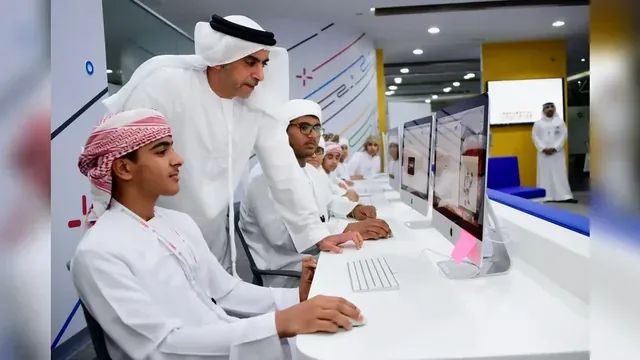 Introduction to ML for the UAE AI Education Center
120 trained per day
Introduction to ML for the UAE AI Education Center
120 trained per day
Curriculum and instruction
An introduction to machine learning delivered for the UAE's first-of-its-kind AI innovation hub.
- Workshop Design and FacilitationMLAIALL
- Adult Learning PrinciplesSTEMCSMobileML
- Curriculum DevelopmentCSMobileMLAI
- Technical TrainingSTEMMobileMLALL
- Public Speaking and FacilitationMLALL
- Stakeholder and SME ManagementMobileMLAI
-
2017
Advanced Solutions Lab
Multi-million dollar cloud spend from large-enterprise businesses
Program, curriculum, and evaluation design
Google Cloud's four-week immersive ML program for enterprise teams. I designed the program experience, its curriculum, and how it was evaluated.
- Curriculum Architecture and StrategyMLALL
- Performance ConsultingMobileML
- Adult Learning PrinciplesSTEMCSMobileML
- Kirkpatrick EvaluationMLAI
- Program Evaluation and Efficacy MeasurementMobileMLAIALL
- Pilot Design and EvaluationMLAI
Mobile
2011–2019 · Web to Mobile
web applications on a computer to native mobile applications and design for everyone
The smartphone broke all assumptions for software engineering. No guaranteed high-quality connection, no mouse, no large screen, no user with all five senses, and a new attack surface. Qualities that had been someone else's problem became conditions of shipping.
My part. Integrated the required mindset shift and skills into all existing trainings. Shifting the implications for privacy, security, reliability and accessibility from policy statements into engineering practice.
What it took
The training had to do two things at once: make the case that none of these could be traded away before shipping, and be practical enough to implement in a real product.
What we were up against
Product teams are measured on market fit and user delight, and everything else competes for attention. Regulation, advocacy groups and new markets moved those priorities for us. So did attackers phishing credentials, and governments with an interest in a less open web.
-
2016–2019
Production engineering self-study
5 hours back per engineer
Redesign of an oversubscribed live course
A 16-hour live production engineering class converted into synced interactive self-study, without loss of rigor.
- Rapid Development MethodsCSMobile
- Online and Blended LearningCSMobileMLALL
- Onboarding Design and Time-to-ProficiencySTEMMobile
- Technical TrainingSTEMMobileMLALL
- Adult Learning PrinciplesSTEMCSMobileML
- Learning Measurement and AnalyticsMobileML
-
2011–2016
Android release documentation pipeline
more than a quarter down to a single day
Rebuild of six core courses
Synthesized scattered documentation sources into one mapped critical path for the internal Android release process.
- Information ArchitectureMobileML
- Single Source of Truth DesignMobileLLM
- Runbooks and Process DocumentationSTEMMobile
- Performance ConsultingMobileML
- Technical Program ManagementMobileML
- Documentation AuditsMobileAI
-
2011–2016
Privacy compliance, rebuilt
24,000 employees
With privacy subject-matter experts
Mandatory privacy training rebuilt as a scenario-driven course, replacing policy recitation with situations requiring judgment.
- Compliance and Risk TrainingSTEMMobile
- Scenario-Based LearningCSMobile
- Behavior ChangeMobile
- Stakeholder and SME ManagementMobileMLAI
- Learning Measurement and AnalyticsMobileML
- Instructional Design (ADDIE, SAM)Mobile
-
2011–2016
Engineer onboarding
time to productivity from 3 weeks to 1.5 weeks
Rebuild of six core courses
Orientation was rebuilt around authentic project work, so new hires onboarded quickly and made an early impact. Revived a production class to be awe-inspiring and fueled buy-in for a dedicated team.
- Onboarding Design and Time-to-ProficiencySTEMMobile
- Simulations and Practice ExperiencesSTEMMobileML
- Curriculum DevelopmentCSMobileMLAI
- Performance ConsultingMobileML
- Learning Experience DesignCSMobileML
- Program Evaluation and Efficacy MeasurementMobileMLAIALL
-
2014
JavaScript, TypeScript and Python internal training
Instructor and course developer
Developed accessible interactive HTML and SVG based training material so all engineers could contribute to UI/UX.
- JavaScriptCSMobileMLAI
- TypeScriptMobileMLAIALL
- PythonCSMobileMLAIALL
- Web and End-to-End DevelopmentCSMobileML
- Computer Science EducationCSMobile
- Technical TrainingSTEMMobileMLALL
-
2013
Introduction to Web Accessibility
4,300 external, 1,000 engineers
MOOC
Google's first technical accessibility MOOC. Training that redirected accessibility strategy for several product teams.
- Online and Blended LearningCSMobileMLALL
- Curriculum DevelopmentCSMobileMLAI
- Developer EducationMobileMLLLMALL
- Technical CommunicationCSMobile
- Web and End-to-End DevelopmentCSMobileML
- PythonCSMobileMLAIALL
CS
2010–2014 · CS for everyone
computer science as a separate elective for a few to computational thinking in every subject, for everyone
Computing was a vocational elective outside the core curriculum, often little more than office tools and typing. The goal was to integrate algorithmic thinking into math, science and the humanities, not only in front of future CS majors.
My part. Wrote the lessons that put it inside existing subjects aligned to core standards and trained the teachers who had no CS department behind them. Built the first Hour of Code activity.
What it took
I developed the design principles and we codesigned with students and research partners. I socialized my own efforts first through my blog, sharing how math and science teachers were applying these principles, and later they were built into the lessons I made for Google, into conference presentations, and into professional development. Students were not only understanding computational thinking concepts, they were playing with them, as young as five.
What we were up against
Software was growing faster than computer science could supply engineers, and fresh ideas were more likely to come from people passionate about other subjects who learned to code. The constraint was that teachers were already buried in standards-based curriculum. Nothing we added could pull them away from it.
-
2016
I/O Youth
Partnership with Scratch and MIT
Mobile visual programming for young people, brought to Google I/O through a partnership with Scratch and MIT.
- Computer Science EducationCSMobile
- Interaction DesignCSML
- PrototypingCS
- Open Source and Community ContributionCS
- Cross-Functional Leadership and PartnershipCSLLMALL
-
2014
Project Bloks
Stanford active research
Pedagogy and interaction designer
Tangible coding blocks built with IDEO and the London Creative Lab, establishing syntax-free design principles for physical programming.
- Learning Experience DesignCSMobileML
- Learning Science and PedagogyCSML
- Interaction DesignCSML
- PrototypingCS
- Computer Science EducationCSMobile
- Cross-Functional Leadership and PartnershipCSLLMALL
-
2013
The first Hour of Code
20M students in two weeks
Lead Developer
Lead designer and developer integrating Blockly into the inaugural Hour of Code with Code.org: UI, gamification, and core activity code. Reached 20 million students in two weeks across 170 countries.
- Web and End-to-End DevelopmentCSMobileML
- JavaScriptCSMobileMLAI
- Computer Science EducationCSMobile
- GamificationCS
- Scenario-Based LearningCSMobile
- Rapid Development MethodsCSMobile
-
2011–2013
Computational Thinking lessons
130+ lessons, 6 countries
130+ lessons
Math, science, and computer science lessons aligned to national and state standards across six countries. Transitioned to CSTA in 2020.
- Modular Curriculum DesignCS
- Standards-Aligned CurriculumCSALL
- Curriculum DevelopmentCSMobileMLAI
- Design Systems Templates and StandardsCS
- Computer Science EducationCSMobile
- Communities of PracticeCSALL
-
2011–2013
Computational Thinking video series
~250,000 views
7 videos
Short films on how Google uses computational thinking: Street View, disaster relief, YouTube, games, and Project Loon.
- Content Production PipelinesCSAI
- Technical CommunicationCSMobile
- Computer Science EducationCSMobile
- Adoption and Usage AnalyticsCSML
-
2011–2013
Computational Thinking for Educators
10,000 registrations, 40% completion (global average 7%)
MOOC
A course for teachers on weaving computational thinking into their own classrooms.
- Online and Blended LearningCSMobileMLALL
- Adult Learning PrinciplesSTEMCSMobileML
- Curriculum DevelopmentCSMobileMLAI
- Learning Management Systems (LMS)CSML
- Communities of PracticeCSALL
- PythonCSMobileMLAIALL
-
2010–2013
BrokenAirplane.com
1.2M views to date
Writing for fellow educators
A blog written for educators. Pedagogy and STEM experiments.
- Technical WritingCSMLLLM
- Content Management Systems (CMS)CS
- Editorial Quality SystemsCSAI
- Communities of PracticeCSALL
- Computer Science EducationCSMobile
-
2010–2013
YouTube tutorials
20,000 views
Android, Math, Arduino
Self-produced tutorials covering Android, mathematics, and Arduino.
- Content Production PipelinesCSAI
- Technical CommunicationCSMobile
- Computer Science EducationCSMobile
ALL
Running underneath it all
Runs through all of it
-
2020
 Google Career Certificates
5M+ certificate earners, 1M+ graduates
Google Career Certificates
5M+ certificate earners, 1M+ graduates
In partnership with Coursera
Editor-in-Chief for the Data Analytics, Project Management, and UX Design tracks, providing feedback to instructional designers and guidance to Coursera engineers. 70% of enrollees report positive career outcomes.
- Curriculum Architecture and StrategyMLALL
- Standards-Aligned CurriculumCSALL
- CredentialingMobileALL
- Digital Badging and Skill VerificationALL
- Online and Blended LearningCSMobileMLALL
- Workforce Capability and Capability Gap AssessmentAIALL
-
2019–2026
Management, coaching and mentorship
Six direct reports, formal mentor to 5 junior designers. Led the team through an org-wide transition from instructional design to technical writing. Hundreds of coaching sessions for engineers and for new and adoptive parents. Presented to the wider learning and development community at Google on advancement as well as AI.
- People Management and MentorshipAIALL
- Change Management and Change LeadershipAIALL
- RoadmappingALL
- Agile DeliveryALL
- Strategic PlanningAIALL
- Professional Growth and In-Service EducationALL
-
2019–2026
Engineering Education Instructor
Sample of designed and delivered courses
Programming languages and frameworks, including Python, TypeScript, Angular, Android and iOS development. Production engineering: privacy, accessibility, deploying and serving, reliability. ML and AI: model lifecycle, RAG, model APIs, agentic engineering, responsible development. Interpersonal engineering: giving and receiving feedback, teaching and sharing ideas.
- Technical TrainingSTEMMobileMLALL
- Developer EducationMobileMLLLMALL
- Workshop Design and FacilitationMLAIALL
- PythonCSMobileMLAIALL
- TypeScriptMobileMLAIALL
- Agentic EngineeringAIALL
STEM
2000–2011
STEM Classroom Educator
-
2008–2011
High Tech High
California Teacher of the Year, Air Force Association
Physics, Math, and Robotics · Project-Based Educator
Project-based physics and mathematics at one of the most-studied models for project-based learning in the country. Student majority population of first-generation and under-represented students by design. Coached an award winning competitive robotics team.
- Project-Based LearningSTEM
- Discovery and Laboratory Learning MethodsSTEM
- Secondary Mathematics InstructionSTEM
- California Single Subject Mathematics CredentialSTEM
- Robotics CoachingSTEM
- Computer Science IntegrationSTEM
-
2007–2008
 Beverly Hills High School
Physics, Biology, and Astronomy Teacher
A full secondary science load across three disciplines, taught to mixed-readiness classes.
- Lesson PlanningSTEM
- Discovery and Laboratory Learning MethodsSTEM
- K-12 Core CurriculumSTEM
- CLAD AuthorizationSTEM
- Differentiated InstructionSTEM
- Small Group and Individual InstructionSTEM
-
2006–2007
Daniel C. Oakes High School
Science Teacher
Physics, anatomy, physiology, and biology taught to at-risk students, with goal-setting and academic preparation programs that moved potential dropouts to graduation.
- Lesson PlanningSTEM
- Differentiated InstructionSTEM
- Small Group and Individual InstructionSTEM
- Equitable and Student-Centered PedagogySTEM
- Student Assessment and Progress ReportingSTEM
- Classroom ManagementSTEM
-
2000–2004
 United States Navy
Background
Recognition
California Teacher of the Year
Air Force Association
Awarded by the Air Force Association for excellence in secondary STEM instruction and cultivating an inquiry-driven computer science environment at High Tech High.
Education
- MA, Educational Technology and Instructional Design San Diego State University
- BS, Physics and Secondary Education Colorado Christian University
- Teaching Credential, Secondary Math and Science California
Speaking and community
- ISTE + ATD International Society for Technology in Education
- SIGCSE Special Interest Group on Computer Science Education
- CSTA Computer Science Teachers Association
- AAPT American Association of Physics Teachers
- Google for Education and Developers
- NSTA Panelist
Partnerships
- DesignScience
- Raspberry Pi
- Arduino
- Scratch
Competencies
Every capability carries the shifts it was proven in. One I cannot point at a piece of work for is not listed, so nothing here is claimed without something behind it.
Choosing a capability filters the page to the work that proves it. Nothing here scores or ranks, marks are only ever added.
- STEMSTEM Classroom Educator
- CSCS for everyone
- MobileWeb to Mobile
- MLStatistics and heuristics to ML
- LLMBespoke ML to LLMs
- AILLMs to AI
- ALLRuns through all of it
Learning & Instructional Design25
- CSMobileML
- Mobile
- MLAI
- STEMCSMobileML
- CSML
- CSMobileMLAI
- MLALL
- CS
- CSALL
- MobileML
- Mobile
- CSMobile
- STEMMobileML
- CS
- CSMobile
- MLAI
- MLAIALL
- STEMMobile
- MobileML
- STEMALL
- CSMobileMLALL
- STEMMobile
- MobileALL
- ALL
- CS
Measurement & Platforms7
- MobileML
- MobileMLAIALL
- CSML
- ML
- CSML
- CS
- ML
AI12
- MLLLMAI
- LLMAI
- AI
- LLMAI
- LLMAIALL
- LLMAI
- LLMAI
- AIALL
- MLLLMAIALL
- AI
- LLM
- LLMAI
Technical Writing & DevEx21
- CSMLLLM
- CSMobile
- MobileLLMAI
- AI
- MobileMLLLMALL
- LLMAI
- LLM
- Mobile
- AI
- LLM
- MobileAI
- AI
- MobileML
- MobileLLM
- STEMMobile
- AI
- AI
- ML
- CSAI
- CSAI
- ML
Technical9
- CSMobileML
- CSMobileMLAIALL
- CSMobileMLAI
- MobileMLAIALL
- CSAI
- CSML
- CS
- CSMobile
- CS
Leadership & Program23
- CSMobileMLAI
- MobileML
- ALL
- ALL
- AIALL
- MobileAI
- AIALL
- MLLLMAI
- MLAI
- AIALL
- AIALL
- MobileML
- AIALL
- CSLLMALL
- MobileMLAI
- MLAI
- MLALL
- CSALL
- MLAI
- ML
- AI
- Mobile
- STEMMobileMLALL
K-12 Classroom23
- STEM
- STEM
- STEM
- CS
- CS
- CS
- STEM
- CS
- STEM
- STEM
- STEM
- STEM
- STEM
- STEM
- STEM
- STEM
- ALL
- STEM
- STEM
- STEM
- STEM
- ALL
- ALL